

Introduction
At the heart of Emirati social and political life lies the Majlis, an institution as ancient as the community itself. Traditionally, the Majlis—which simply means “a place of sitting”—was the forum where a tribal leader would meet with his people, listen to their concerns, settle disputes, and share news. It was the bedrock of participatory governance and social cohesion. In the 21st century, this ancient tradition has not only survived but has dynamically evolved, adapting its form and function to meet the needs of a modern, digital, and globally engaged society. The Modern Majlis stands as a powerful symbol of how the UAE honors its heritage not by embalming it, but by reinventing it, ensuring its continued relevance for new generations.
The Traditional Majlis: The School of Community
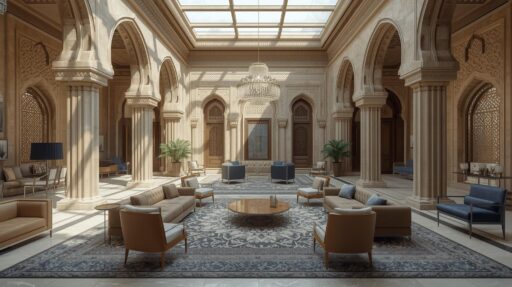
The traditional Majlis was, and in many places remains, an informal gathering space, often a separate room in a home or a tented area. Characterized by its accessibility, it was open to any member of the community who wished to speak. Here, elders passed down oral history and poetry, young men learned the nuances of social etiquette, and the leader demonstrated his wisdom and fairness by listening to everyone from the most powerful merchant to the most humble citizen. The serving of Gahwa (Arabic coffee) and dates was an integral ritual, symbolizing the hospitality and equality of all present. This institution was the primary school for citizenship, teaching values of respect, dialogue, and collective responsibility.
Forces of Change: Urbanization and Technology
The rapid urbanization and technological revolution that swept the UAE posed a significant challenge to the traditional Majlis. The move from sprawling family compounds to high-rise apartments physically constrained the space for large daily gatherings. The busy schedules of a modern workforce, the diversification of entertainment options, and the rise of digital communication all threatened to make the face-to-face Majlis seem obsolete. For a time, it appeared that this cornerstone of Emirati culture might diminish, relegated to formal occasions and religious holidays.
Adaptation and Innovation: The Forms of the Modern Majlis
Instead of disappearing, the Majlis adapted, demonstrating its inherent flexibility. Today, it exists in several concurrent forms:
- The Digital Majlis: Social media platforms like Twitter and Instagram have become virtual Majlis spaces. Senior government officials, including ministers and royalty, use these platforms to communicate directly with citizens, answer questions, and gauge public opinion, mirroring the accessibility of the traditional forum.
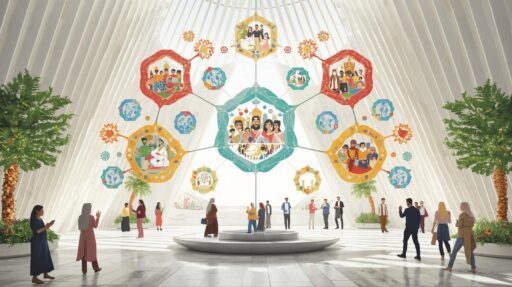
- The Specialized Majlis: Modern Majlises are often themed around specific interests. There are Youth Majlises, Business Majlises, Women’s Majlises, and Artists’ Majlises. These specialized forums allow for deeper, more focused dialogue on particular issues, from entrepreneurship to cultural preservation.
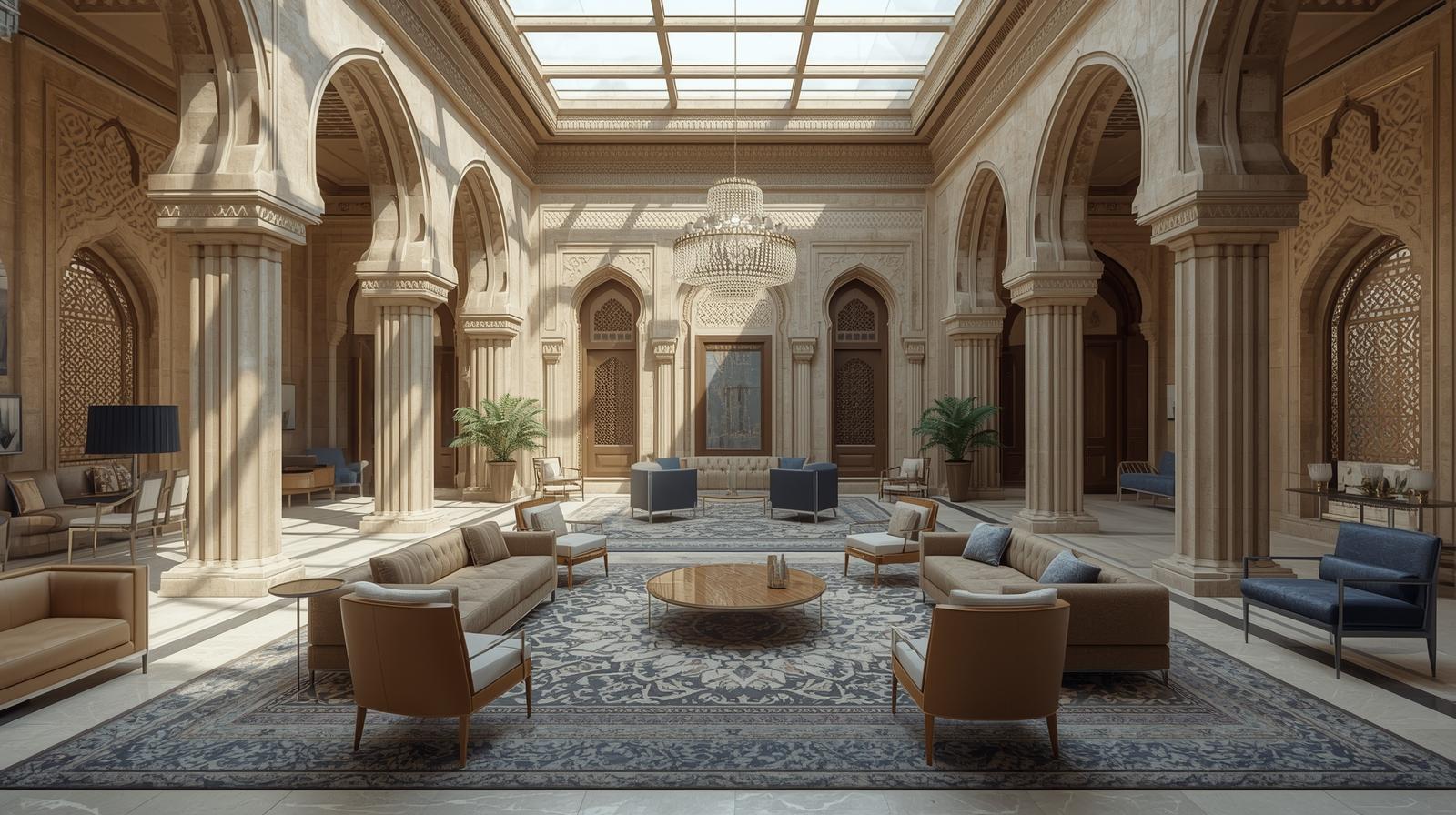
- The Corporate and Government Majlis: The principle of the Majlis has been institutionalized. Many government departments and corporations have designated Majlis-style meeting rooms, encouraging open-door policies and flat hierarchies where employees and citizens can voice ideas and concerns directly to leadership.
The Youth Majlis: Empowering the Next Generation
Perhaps the most significant evolution is the establishment of official Youth Majlises at both the federal and emirate levels. These are not symbolic gestures but active consultative councils. The UAE Cabinet’s Youth Majlis, for instance, allows young Emiratis to directly present their ideas and policy recommendations to ministers. This formalizes their role in nation-building and ensures that the traditional value of listening to the community now explicitly includes the voices of the youth, who are the primary drivers of the country’s future.
Conclusion: A Living Bridge Between Past and Future
The Modern Majlis is a testament to the resilience and dynamism of Emirati culture. It has successfully transitioned from a physical space to both a physical and digital concept, from a general community forum to a specialized advisory body. In doing so, it has preserved its core functions: fostering open dialogue, ensuring leadership accessibility, and strengthening social bonds. The Modern Majlis is not a replica of the past, but its logical progression. It proves that a nation can sprint towards the future without leaving its traditions behind, using them instead as a compass to guide its journey, ensuring that the open and participatory spirit of the desert council fire continues to illuminate the path ahead.